
There’s this one bottle I still picture when I think of my grandmother’s kitchen. Deep yellow, slightly sticky around the cap, and a smell so sharp it would clear your sinuses before you even opened it properly. Every winter cold, every chest congestion, every time one of us kids complained about a sore knee, out came that bottle. It was just mustard oil. Or, as she called it, sarso ka tel.
Funny enough, a lot of people today search “sarso ka tel in English” without realising they already know the answer: it’s mustard oil, plain and simple. But the name was never really the interesting part. What’s actually worth asking is whether this oil does half of what our grandmothers claimed, or if we’ve just been romanticising an old bottle for too long.
So What Is Mustard Oil, Really?
Mustard oil comes from pressing mustard seeds, and it’s been around Indian kitchens for... honestly, longer than anyone can really say. Ask anyone from North India or Bengal, and cooking without sarson ka tel would feel almost wrong to them. It’s got this pungent, nose-tingling flavour that you either grew up loving or still can’t quite get used to.
But here’s the thing it was never just a cooking oil in most homes. It did double duty as a massage oil, a hair treatment, and somehow always made an appearance the moment the temperature dropped. In Ayurveda, it’s described as having a warming quality, which honestly explains why it showed up every single winter like clockwork.
Is Mustard Oil Actually Good for Health?
This is the question people keep typing in “is mustard oil good for health”, and I won’t pretend there’s a simple yes or no here, because there isn’t.
What we do know is that it carries a decent mix of monounsaturated and polyunsaturated fats, plus some omega-3s that might help with inflammation. Not a miracle cure, but not nothing either. My grandmother’s version of “research” was simpler; she just knew that rubbing warm mustard oil on aching joints made them feel looser. Turns out she wasn’t entirely wrong; the warming effect does help relax tight muscles a bit, which is why many people reach for Himalayan Shilajit in winter, since it’s traditionally used for stamina, energy, and easing the general heaviness cold weather brings.
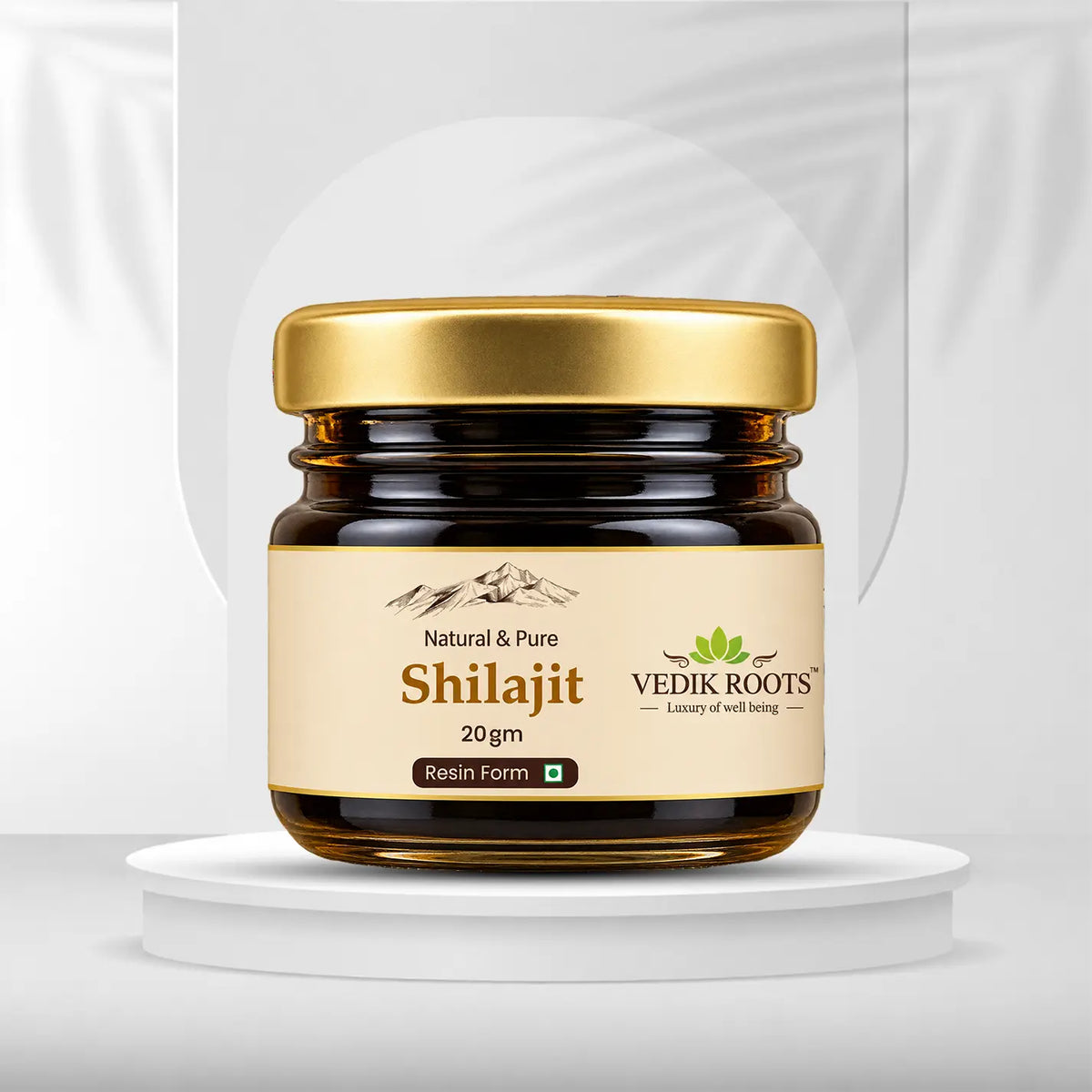
Pure Shilajit Resin
Premium quality Pure Shilajit Resin to support energy, stamina, vitality, and overall wellness as part of a balanced lifestyle.
Buy NowNow, there’s a catch worth mentioning. A few countries restrict mustard oil for cooking because of its erucic acid content, especially in large amounts. But in India, the cold-pressed, kachi ghani version has quietly been part of everyday meals for generations without much fuss. So the honest takeaway is this: don’t go overboard, pick a good quality cold-pressed one, and you’re probably fine.
What About Hair? Is Mustard Oil Good for That Too?
“Is mustard oil good for hair?” Ask that in any Indian household, and you’ll probably get a nostalgic eye-roll along with a yes. Sunday hair-oiling sessions were basically non-negotiable growing up. Tight braids, a slightly burning scalp from how hard the oil got massaged in, and the same promise every single time: “It’ll make your hair thicker, just wait.”
There’s some actual substance behind it, though. Mustard oil has vitamin E and fatty acids that can genuinely support the scalp and roots. A lot of women cut its intensity by mixing it with coconut oil, which also softens that strong smell a bit. And the massage itself, regardless of which oil you use, tends to boost blood flow to the scalp, which can make a real difference over time. If mustard oil’s smell feels like too much for your taste, castor oil is another traditional option a lot of people switch to for similar scalp and hair benefits.
If you want to try it properly, warm it slightly, work it into your scalp and hair, leave it for half an hour or so, then wash it out with a mild shampoo. Nothing fancy. Just an old ritual that somehow still works.
Can You Use Mustard Oil on Skin?
This one surprises people, but yes, older generations used it on skin too, especially in winter when everything gets dry and cracked. The fatty acids help trap moisture into rough patches like heels or elbows. Some families even use a diluted version for infant massages, though that’s really something to check with a paediatrician first, since mustard oil can be a bit strong for a baby’s delicate skin. If you’re looking for something gentler for everyday glow, moringa powder’s skin benefits are worth a look too.
If it’s your first time trying it on skin, do a small patch test on your arm and wait a day. Better safe than itchy.
What Is Mustard Oil Even Used For, Then?
Honestly, “what is mustard oil used for” could just be answered with everything. Seriously:
-
Cooking, especially pickles and that classic tadka smell
-
Winter body massages for warmth and sore muscles
-
A pre-wash hair treatment for the scalp
-
Moisturising dry skin patches
-
Old-school home remedies for colds and stiff joints
Which is probably why the benefits of mustard oil never sound like one single benefit it feels more like an entire inherited routine nobody ever wrote down but everyone somehow knows.
Is Mustard Oil Good or Bad for You, Then?
“Is mustard oil good or bad for you” really just comes down to how much and how often. Used sensibly, good quality cold-pressed mustard oil works fine for most people. Got sensitive skin? Patch test first. Heart condition, or on blood thinners? Probably worth a quick chat with your doctor before making it a daily habit in cooking.
My grandmother used to say balance fixes almost everything, and honestly, mustard oil is a pretty good example of that still holding up.
FAQs
Is mustard oil good for health?
In moderate amounts, yes; it has fats that support heart health and may help with inflammation. Just stick to good quality, cold-pressed oil rather than overly processed versions.
Is mustard oil good for hair?
Yes, mostly thanks to vitamin E and fatty acids that nourish the scalp and improve blood circulation. Mixing it with coconut oil makes the smell easier to handle too.
What is mustard oil used for?
Cooking, massages, hair care, skin moisturising, and random home remedies passed down through families basically the kitchen, bathroom shelf, and medicine cabinet rolled into one bottle.
Is mustard oil good or bad for you?
Used in the right amount, it’s generally safe and even beneficial. People with sensitive skin, young kids, or heart issues should just be a little more careful.
Final Thoughts
That bottle in my grandmother’s kitchen wasn’t just oil it was years of trial and error no one ever bothered writing down. Even now, with all the science around it, mustard oil still feels relevant in pretty much the same way it always did. Cooking, a winter massage, a lazy Sunday hair-oil session it’s stuck around because it actually works, not just because we’re nostalgic about it.