

Having a fatty liver is becoming common these days, and the very first thing that pops into everyone’s head upon hearing about the disease is “ab khana kya hai?”
But then there is good news for you: you don’t have to follow a complicated eating pattern or just consume salads only when it comes to fatty liver diet treatment. You can simply adjust your normal Indian diet to make it healthy and balanced.
The basics of a liver diet include the intake of vegetables, fruits, foods high in fibre content, whole grains, and protein foods, but without eating food products rich in sugar content and calories.
Are you in search of an Indian fatty liver diet chart, plan, or want to know how to prevent fatty liver? This is the right guide for you.
Important Point: Fatty liver condition can occur due to several reasons, and it might also be at different levels. If you have been diagnosed with fatty liver, diabetes, high blood cholesterol, fibrosis, or any other liver condition, then you should adhere to the recommendations of your physician or nutritionist. You can also refer to the Vedikroots homepage.
What Is Fatty Liver?
The state where there is an abundance of fat in the liver is called fatty liver. An example of a condition whereby there is a presence of fatty liver is metabolic dysfunction-associated steatotic liver disease, commonly known as NAFLD.
This condition is usually associated with other conditions such as obesity, insulin resistance, type 2 diabetes, high cholesterol, and others.
There are no visible signs of the disease in some people, and it is possible to diagnose the disease using blood tests and ultrasound scans.
The good thing with the disease is that there is a chance of making a lifestyle change. This is particularly true when you are obese.
What Should a Fatty Liver Diet Plan Include?
If you’re wondering how to prevent fatty liver, a good fatty liver diet is less about finding one magical food and more about improving your overall eating pattern.
Try to make your meals mostly around:
-
Vegetables
-
Whole fruits
-
Whole grains
-
Dal and legumes
-
Protein sources
-
Low-fat dairy products without sugar, where suitable
-
Nuts and seeds in small quantities
-
Healthy fats in moderate amounts
-
Plenty of water
On the other hand, limit your intake of sweetened drinks, sweets, fried foods, refined sugars, and processed foods.
If you're interested in traditional Ayurvedic approaches alongside healthy lifestyle habits, you can read our detailed guide on Bhumi Amla for fatty liver.
You can also learn more about the traditional uses of this herb in our article on Bhumi Amla benefits for liver health.
These resources can help you understand Ayurvedic perspectives, but herbal products should not replace medical treatment or a balanced diet.
Fatty Liver Foods to Eat
So, what foods are good for fatty liver? Instead of concentrating on one particular food, build your meals around nutrient-dense foods that provide fibre, protein and essential nutrients.
1. Vegetables
Vegetables should be a regular part of your meals.
Some easy options include:
-
Spinach
-
Lauki
-
Tori
-
Bhindi
-
Gajar
-
Cucumber
-
Tomato
-
Cauliflower
-
Broccoli
-
Beans
-
Capsicum
-
Cabbage
You can prepare them as sabzi, soup, salad or lightly cooked vegetables.
For an Indian household, this is one of the easiest changes because you don't need to buy expensive "diet foods." Simply increase the vegetable portion of your usual meals.
2. Whole Fruits
Fruits can be included in a balanced fatty liver diet.
Some practical fruits to eat in fatty liver include:
-
Apple
-
Guava
-
Orange
-
Papaya
-
Pear
-
Pomegranate
-
Berries, when available
Whole fruit is generally preferable to fruit juice because it provides fibre and is more filling.
This doesn't mean you need to completely stop eating fruit because it contains natural sugar. Instead, avoid regularly replacing whole fruit with sugary juices or sweetened fruit beverages.
3. Whole Grains
Whole grains can provide more fibre than refined grain products.
Consider:
-
Oats
-
Whole-wheat roti
-
Brown rice
-
Barley
-
Millets
-
Quinoa
You don't necessarily have to completely stop eating white rice. Portion size and what you eat alongside it matter too.
For example, a moderate serving of rice with dal, vegetables and salad can be a more balanced meal than a very large serving of plain rice.
4. Dal, Beans and Legumes
Dal, chickpeas, rajma, black chana and other legumes are excellent items to consume on a daily basis in an Indian diet plan to help prevent fatty liver.
This food item includes protein and fibre and is easily included in your daily diet routine.
Try different varieties of dals and legumes rather than consuming the same food every single day.
5. Nuts and Seeds
The consumption of almonds, walnuts, flax seeds, chia seeds, and pumpkin seeds should be done in moderation.
It doesn’t mean that you would be able to consume these healthy foods in unlimited amounts.
The problem with the consumption of nuts and seeds is that they have high amounts of calories.
6. High Protein Foods
Consumption of protein can make meals more filling and build muscle.
Depending upon your taste, the following foods can be included:
-
Dal
-
Beans
-
Chana
-
Unsweetened curd
-
Greek yogurt
-
Paneer in moderate amounts
-
Eggs
-
Fish
-
Skinless chicken
-
Tofu
There would be different amounts of protein that one should consume, depending on their health conditions.
Foods Not to Consume in Fatty Liver Disease
If one tries to know the foods one shouldn't consume while having a fatty liver, they expect to get a long list.
However, the important thing is to reduce the amount of foods that would make one eat a lot of sugar, fats, or calories.
1. Sweet Drinks
Try to avoid or significantly reduce:
-
Soft drinks
-
Sweetened packaged juices
-
Energy drinks
-
Sweetened iced tea
-
Sugary shakes
-
Excessively sweetened tea or coffee
Liquid calories are particularly easy to consume without feeling full.
2. Deep-Fried Foods
Regular consumption of foods such as:
-
Samosa
-
Pakora
-
Kachori
-
Puri
-
Bhatura
-
French fries
-
Other deep-fried snacks
can make calorie control difficult.
You don't need to feel guilty about an occasional meal, but these foods should not become everyday staples.
3. Fast Food and Highly Processed Foods
Limit foods such as:
-
Burgers
-
Pizza
-
Fries
-
Instant noodles
-
Chips
-
Packaged snacks
-
Processed meats
-
Bakery items
These foods have a lot of calories, saturated fats, salt, and carbohydrates.
4. Foods having high sugar content / Desserts
Food items such as mithai, cake, pastries, cookies, and ice creams can be eaten sometimes but not daily.
If there is any fear of gaining more weight because of their high sugar content, then one can limit the intake of these foods.
5. Refined Carbohydrates
Limit the intake of the following foods:
-
Maida-based foods
-
White bread
-
Refined bakery products
-
Sugary cereals
-
Large portions of refined rice-based meals
Instead, choose whole grains and fibre-rich foods more often.
Fatty Liver Diet Chart Indian
India's Fatty Liver Diet Plan does not necessarily have to differ entirely from your regular diet plan.
This is an example below.

The above illustration is just an example and cannot be taken as a personal dietary plan.
Calorie intake depends on various issues, including age, physique, health status and other weight goals.
7 Day Fat Liver Diet Plan
In case you would like to adopt a 7-day fat liver diet plan, here is a simple one for you to follow.
First Day
Breakfast: Vegetable oats
Lunch: Roti with dal and vegetables with salad
Snacks: Guava and some almonds
Dinner: Vegetable soup with paneer/soya + 1-2 rotis
Second Day
Breakfast: Vegetable poha
Lunch: Brown rice and rajma with salad
Snacks: Roasted chana
Dinner: Roti with lauki sabji + dal + curd
Third Day
Breakfast: Moong dal chilla with vegetables
Lunch: Roti + chana + green vegetable
Snack: Apple
Dinner: Vegetable soup + dal + sautéed vegetables
Fourth Day
Breakfast: Oatmeal, Yogurt, and Fruit
Lunch: Roti, Dal, Bhindi, and Salad
Snacks: Walnuts
Dinner: Roti, Mixed Vegs, and Paneer or Tofu
Fifth Day
Breakfast: Vegetable Upma
Lunch: Brown Rice, Dal, Vegetables, and Salad
Snacks: Papaya
Dinner: Roti, Veggie Sabji, and Egg/Fish/Paneer
Sixth Day
Breakfast: Besan Chilla and Vegetables
Lunch: Roti, Rajma/Chole and Salad
Snacks: Orange/Guava
Dinner: Vegetable Soup, Dal, and Vegetables
Seventh Day
Breakfast: Vegetable Oats/Poha
Lunch: Roti, Dal, Seasonal Vegetable, and Curd
Snacks: Apple and a Few Nuts
Dinner: Veggie Dish, Protein, and Rotis
However, it must be noted that this diet plan is only for reference. The meals can be changed according to season, preferences, and needs of each individual.
Fatty Liver Diet – Weight Loss
As mentioned earlier, since weight gain leads to fatty liver disease, weight loss can also be included in the treatment regimen.
The biggest mistake you can make in such a situation is to start a crash diet.
A sustainable fatty liver diet for weight loss can focus on:
-
Controlling portion sizes
-
Eating more vegetables
-
Including adequate protein
-
Choosing fibre-rich foods
-
Reducing sugary drinks
-
Limiting fried foods
-
Reducing highly processed snacks
-
Staying physically active
-
Getting adequate sleep
The goal isn't to lose weight as quickly as possible.
The goal is to develop habits you can maintain.
Even small, consistent changes can be more useful than following an extremely restrictive diet for two weeks and then returning to old habits.
Ayurvedic Herbs and Liver Support
There are some plants that have been used in the system of Ayurvedic medicine in connection with digestive health and overall well-being. Bhumi Amla and Punarnava are some of the herbs that have been referred to in connection with the support of liver health.
To know more, refer to Punarnava benefits for liver health.
For those who prefer herbal products, you can also explore Bhumi Amla Powder.
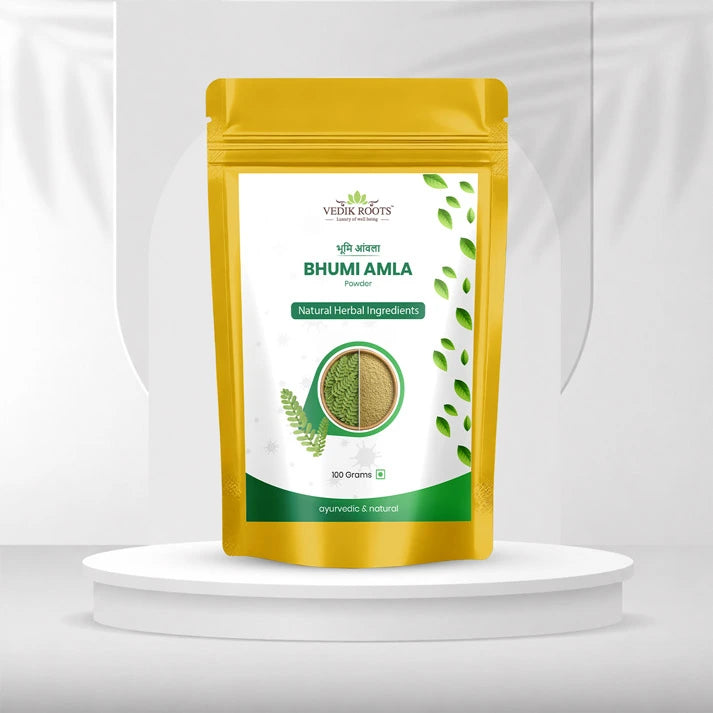
Bhumi Amla Powder
Premium quality Bhumi Amla Powder to support liver health, digestion, detoxification, and overall wellness.
Buy NowStill, one must not hope for an impossible outcome. There is no herb, or any Ayurvedic treatment, that would replace healthy nutrition, weight management, physical activity, and therapy.
If you take some prescribed medicines or suffer from liver disorder, you should consult your doctor or other medical specialist about the use of herbs.
Lifestyle Changes for Fatty Liver Disease
Healthy nutrition is very important for how to prevent fatty liver; however, the actions in your daily life are of equal significance.
Physical Exercise
Physical exercise may help you keep in shape and your metabolism functioning properly.
Firstly, start with walking fast for 20-30 minutes per day and then increase the level of physical exercise.
Also, if you want to do so, include strength training in your schedule.
Maintain a Healthy Weight
If you're overweight, gradual weight loss may help reduce liver fat.
Avoid extreme fasting or crash diets unless they are recommended and supervised by a healthcare professional.
Limit Alcohol
It might also happen that consuming alcohol can cause you to have some liver problems.
If you already have such problems, then you should definitely seek help from your doctor about your consumption of alcohol.
Get Enough Sleep
Most of the time, the importance of getting enough sleep when talking about the health of your liver is often overlooked.
It is important that you maintain a proper sleep schedule and avoid making it a habit to eat at night.
Have Lots Of Water
Water is supposed to be your primary source of fluids.
Do not consume any drinks that are high in sugar content.
What to Eat in Fatty Liver: A Simple Plate Method
If remembering a long list of fatty liver foods feels difficult, use this simple approach:
½ plate: Vegetables and salad
¼ plate: Protein such as dal, beans, paneer, eggs, fish or chicken
¼ plate: Whole grains such as roti, brown rice, oats or millets
This makes your meals easier to balance without completely changing your Indian eating habits.
What Not to Eat in Fatty Liver?
In simple terms, try to avoid these everyday foods:
-
Sugary soft drinks
-
Packaged fruit juices
-
Excess sweets
-
Deep-fried snacks
-
Frequent fast food
-
Highly processed packaged foods
-
Excess refined flour
-
Large portions of refined carbohydrates
-
Excess alcohol
The idea isn't to be perfect every day.
It's about making healthier choices most of the time.
Frequently Asked Questions
1. Do I consume rice in my diet even after having fatty liver?
Yes, but it is very necessary for you to eat it in the right amount along with vegetables, dal, and proteins.
2. Fruits from the perspective of fatty liver?
Fruits that are recommended to be eaten in this condition are apples, guava, papaya, oranges, pears, and pomegranates.
3. Foodstuffs that must not be consumed when having fatty liver?
Foodstuffs that must not be eaten in this condition are sugar-based foods, junk foods, fatty foods, sweets, and alcohol.
4. Can I eat roti despite having fatty liver?
You may certainly eat whole wheat roti in right amounts.
5. Can fatty liver be cured by diet?
Certainly, yes.
Final Takeaway
A fatty liver diet does not have to be complicated and expensive.
It begins by improving upon your existing dietary practices.
Consume more vegetables and fibre. Have fruits instead of fruit juices. Take adequate protein in your diet. Have whole grains and proper portions. In addition to that, reduce your consumption of sugary drinks, sweets, fried foods, fast foods and processed foods.
In addition, you should not ignore other elements that will make your overall lifestyle healthier.
Physical activity, gradual weight loss, enough sleep, hydration and reduced alcohol consumption will help you in your journey of changing your lifestyle.
Therefore, instead of going after some "liver detox" or superfoods, it is better to develop such habits which can continue for a long period of time.
If you have questions about Vedikroots products or need assistance, you can contact the Vedikroots team for more information.